
Picture the usual online checkout. A price appears, you press a button, enter your card number, and the page thanks you. Nothing in that moment tells you that a community is waiting on the other side. The site gamificationsummit method ticket sales idea asks something different: what if the purchase itself were round one of the event?
A summit built around gamification has a rare advantage here. Its own website can act as the first exhibit. Someone who has already collected a badge, climbed a tier and chatted with fellow attendees arrives at the opening session with the core concept already in their hands, so speakers can go straight to the deeper material.
Where Standard Ticket Pages Fall Short
The typical ticket page is a short corridor: a headline, a price list and a pay button. It serves visitors who arrived already sure. Many others are interested but hesitant, and extra paragraphs of detail seldom tip them over. They need a reason to choose now and a reason to stay involved afterward. Then comes the silence. After payment, buyers usually receive one receipt and perhaps a single reminder close to the date. Months can pass with no contact. When the day finally comes, some have lost interest, and many walk in without knowing a single other attendee.
Treat the Ticket as the First Lesson
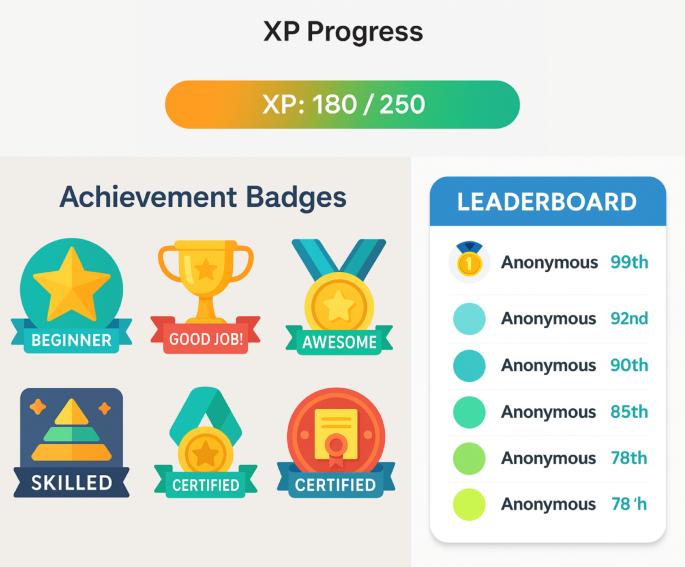
Under the site gamificationsummit method ticket sales model, each stage of buying echoes and technique the speakers will discuss on stage. Five ideas show how.
1. Levels in place of price brackets.
Swap “Early Bird” and “Late” for tiers that open new things: a hands-on workshop seat, a library of session recordings or entry to a networking lounge. Gaining access feels more rewarding to most people than shaving off a small amount of money.
2. A shared progress meter.
Display the seats remaining in a tier, or how near the group is to unlocking a bonus talk. The same scarcity that might otherwise feel like a push becomes a goal people work toward together.
3. Invite-a-colleague quests.
When one attendee brings in another, both receive a perk. This rewards generosity rather than fear of missing out, which makes it kinder than a flashing countdown.
4. Early badges.
Titles such as “Founding Attendee,” “Workshop Ready” or “Community Builder” hand people an identity before the event begins. Those who feel they belong are more likely to remain engaged, and engaged people actually turn up.
5. Small tasks while the date approaches.
A brief quiz, a mini design puzzle or a quick poll keeps the gap between buying and attending from going cold. Attendees begin the summit already familiar with one another’s ideas.
One Buyer, Start to Finish

Consider Sara, a teacher hunting for fresh classroom ideas, who stumbles on the summit page. She compares three tiers, each explained by what it opens up, and chooses the one with a workshop seat. Moments after paying, a first badge appears along with a light question: which game mechanic would she most like to test in her own lessons? Days later she is invited to bring a colleague, with a bonus session as the joint prize. Two friends join, and the trio rise a level together. Over the following weeks she answers short polls and watches her badge shelf fill. When the event opens, Sara recognizes names, holds opinions on the topics, and wants to hear how speakers answer the questions she helped vote for. She feels like part of a story already underway, something a plain checkout page cannot offer.
The Psychology Behind It
This is not a gimmick. It draws on three needs that research on motivation returns to again and again:
- Autonomy: buyers pick their own route and tier.
- Competence: progress is visible and within reach.
- Relatedness: the group advances together instead of each person alone.
When all three are present, a purchase feels like becoming a member, not handing over money.
Pitfalls Worth Dodging
Gamification sounds simple and often goes wrong in practice. Keep an eye out for these:
- Piling on features. Points, badges, rankings, quests and streaks at once will overwhelm people. Begin with two or three.
- Prizes no one cares about. A badge matters only if it stands for something. A perk with no real value fades fast.
- Rankings that discourage. Public leaderboards excite a few and alienate the rest. Group targets or personal milestones tend to suit better.
- Challenges that feel like chores. Long or compulsory tasks drain the fun. Keep them brief and optional.
- Ignoring phones. Many visitors arrive on mobile, so cramped tier cards or a broken progress meter can spoil the experience.
Play Fair: Honesty Comes First
Gamified selling can drift into manipulation through invented deadlines, false shortage and guilt-driven wording. Such tactics may raise sales briefly, yet they erode trust, which is a summit’s most valuable asset. A sound version of the site gamificationsummit method ticket sales strategy keeps to three rules:
- Show scarcity only when it truly exists.
- Offer rewards that are genuinely useful.
- Allow people to opt out of competition without losing value.
Judging the Results
Ticket totals alone hide most of the picture. Consider following:
- Registrations at each tier
- Referral participation
- Involvement in pre-event tasks
- Real attendance on the day
- Feedback about the buying experience
Taken together, these reveal whether the game layer builds engagement or merely decorates the payment page. If possible, compare one edition of the summit with the next, changing a single element at a time, such as one badge or one referral reward, so the effect is easy to read.
Quick Answers
Does this only suit gamification events?
Not necessarily. Any event can borrow the approach, though a gamification summit gains a bonus: its website doubles as a live example.
Is costly software required?
No. A progress bar, tier descriptions, a referral link and a handful of emails are enough to begin. Add tools later if results justify the spending.
Could it come across as silly?
For some people, yes. Keep the playful parts light and optional so anyone who simply wants a ticket can buy one fast.
How often should the pre-event tasks appear?
Briefly and with space between them. A few minutes about once a week keeps interest alive without causing fatigue.
Conclusion
The site gamificationsummit method ticket sales model replaces “how do we sell more tickets?” with “how do we make the journey toward the event worth taking?” When buying itself offers progress, reward and company, a ticket becomes more than a purchase. It becomes the opening chapter of the summit.